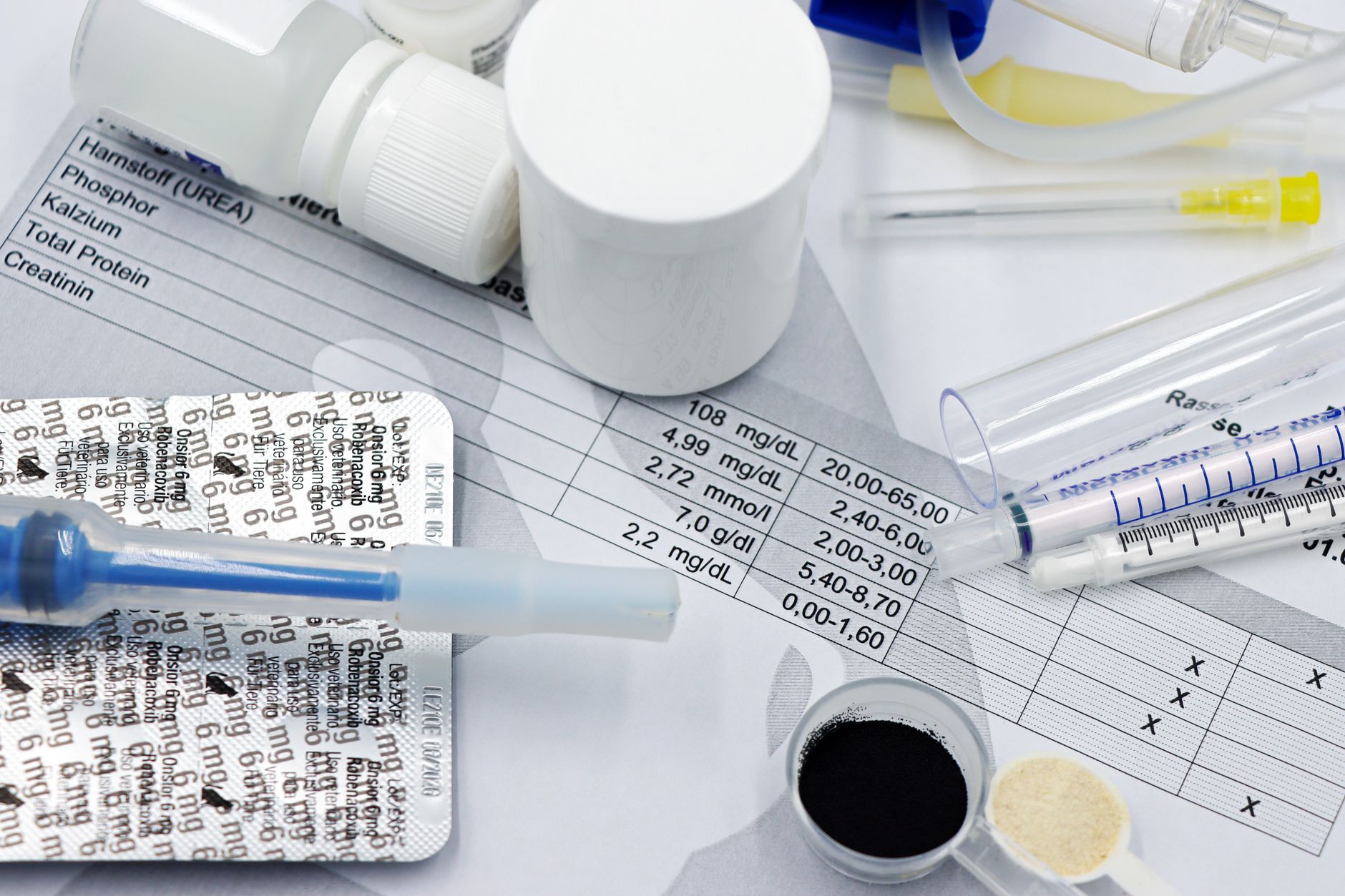
Drug prices patents are increasingly becoming a significant concern in the pharmaceutical industry. Companies are utilizing strategies to pile up patents, which keeps prices elevated and limits access to affordable medications.
Understanding Drug Prices Patents
In recent years, the issue of drug prices patents has come to the forefront of healthcare discussions. Pharmaceutical companies often rely on an extensive array of patents to protect their products, which can lead to inflated prices for consumers. These patents grant exclusivity, preventing generic versions from entering the market for extended periods.
The strategy employed by many companies involves
- Evergreening: This practice involves making slight modifications to existing drugs to extend patent protections.
- Creating new formulations: By introducing new combinations or delivery methods, companies can secure additional patents.
- Patent thickets: Firms may create a dense web of patents around a single drug, complicating the pathway for generic manufacturers.
As a result, consumers face significant financial burdens due to the lack of affordable alternatives. While innovation in pharmaceuticals is essential, the current patent system often prioritizes profit over patient access, raising critical questions about the fairness and sustainability of drug pricing in the long term.
The Impact of Patents on Healthcare
The relationship between patents and drug prices has significant implications for healthcare. Pharmaceutical companies often rely on patents to secure exclusive rights to their products, which can lead to inflated prices for essential medications. As a result, many patients struggle to afford the treatments they need.
In many cases, the lengthy patent protection allows companies to maintain monopolies, stifling competition and innovation. This practice not only affects the accessibility of medications but also places a heavy financial burden on healthcare systems. The impact can be particularly severe for those requiring long-term treatments for chronic conditions.
Furthermore, the strategy of piling up patents on minor modifications or new formulations of existing drugs can extend exclusivity periods, keeping prices high for years. This approach raises ethical questions about the balance between protecting intellectual property and ensuring public access to affordable medications.
As healthcare costs continue to rise, addressing the issue of drug prices patents becomes increasingly urgent, necessitating reforms to promote fair pricing and greater competition in the pharmaceutical industry.
Why Pharma Fights Patent Reforms
The pharmaceutical industry fiercely defends its patent system, viewing it as vital for innovation and profitability. However, this defense often comes at the expense of accessible drug prices. The primary reason pharma fights against patent reforms is the financial incentive; patents grant companies exclusive rights to sell their products, enabling them to set high prices without competition.
Moreover, the extensive use of patents allows companies to extend their monopolies. This practice, known as “evergreening,” involves making slight modifications to existing drugs to secure new patents. As a result, original products face little to no competition from generics, keeping drug prices artificially inflated for extended periods.
Pharmaceutical companies argue that these patent protections are essential for funding research and development. However, critics assert that the current system prioritizes profits over patient access. The ongoing battle over drug prices patents reflects broader issues within healthcare, emphasizing the need for meaningful reform to ensure affordability without stifling innovation.
Alternatives to High Drug Prices
As the debate over drug prices patents continues, it is essential to explore alternatives that could alleviate the financial burden on patients and healthcare systems. Several strategies have been proposed to tackle high drug prices while ensuring innovation remains viable.
- Generic Medications: Encouraging the use of generic drugs can significantly reduce costs. Once a patent expires, generic versions enter the market, often at much lower prices, making essential medications more accessible.
- Price Negotiation: Allowing government agencies to negotiate prices directly with pharmaceutical companies could lead to more affordable options for consumers. Countries with such policies often report lower drug costs.
- Transparency in Pricing: Increasing transparency regarding how drug prices are determined can empower consumers and encourage competition among manufacturers, potentially leading to lower prices.
- Investment in Biosimilars: Supporting the development of biosimilars, which are biologic medical products highly similar to already approved reference products, can create more options and lower prices in the market.
By considering these alternatives, stakeholders can work towards a more equitable healthcare system that prioritizes patient access over excessive profits.
Patient Access to Medications
Patient access to medications remains a pressing issue in the healthcare landscape. As pharmaceutical companies continue to leverage drug prices patents to maintain high costs, many patients find themselves unable to afford necessary treatments. This situation is exacerbated by the complex web of patent protections that often shield these medications from competition.
- High Costs: The reliance on patents allows companies to set exorbitant prices, leaving many individuals without essential drugs.
- Insurance Barriers: Even with insurance coverage, high out-of-pocket costs can prevent patients from accessing their prescribed medications.
- Generic Alternatives: While generics can provide relief, patent restrictions often delay their entry into the market, prolonging the high prices for brand-name drugs.
As a result, patients are faced with tough choices—deciding between their health and their financial stability. Advocates for healthcare reform argue that addressing the issue of drug prices patents is crucial for ensuring that all patients have access to the medications they need.
Future of Drug Pricing Strategies
The future of drug pricing strategies is likely to be shaped by ongoing debates over drug prices patents and the need for more transparent practices. As the pharmaceutical industry continues to face scrutiny, companies may need to adapt their strategies to maintain profitability while responding to public demand for more affordable medications.
One potential approach is the increased use of value-based pricing, where drug prices are aligned with the actual benefits provided to patients. This would require robust measures to assess the effectiveness of new treatments and could lead to more equitable pricing structures.
Additionally, the rise of biosimilars and generic medications presents an opportunity to challenge existing patents and lower costs for consumers. As these alternatives gain traction, pharmaceutical companies may be compelled to innovate rather than rely solely on patent protections.
Lastly, collaboration between stakeholders, including governments, healthcare providers, and the pharmaceutical industry, is essential to create a sustainable model that prioritizes patient access while ensuring fair returns on innovation.
Many argue that drug prices patents are primarily designed to protect the financial interests of pharmaceutical companies rather than promote innovation. As a result, the public often struggles with the burden of high costs associated with medications tied to these drug prices patents.
By Shook Photos via Openverse