
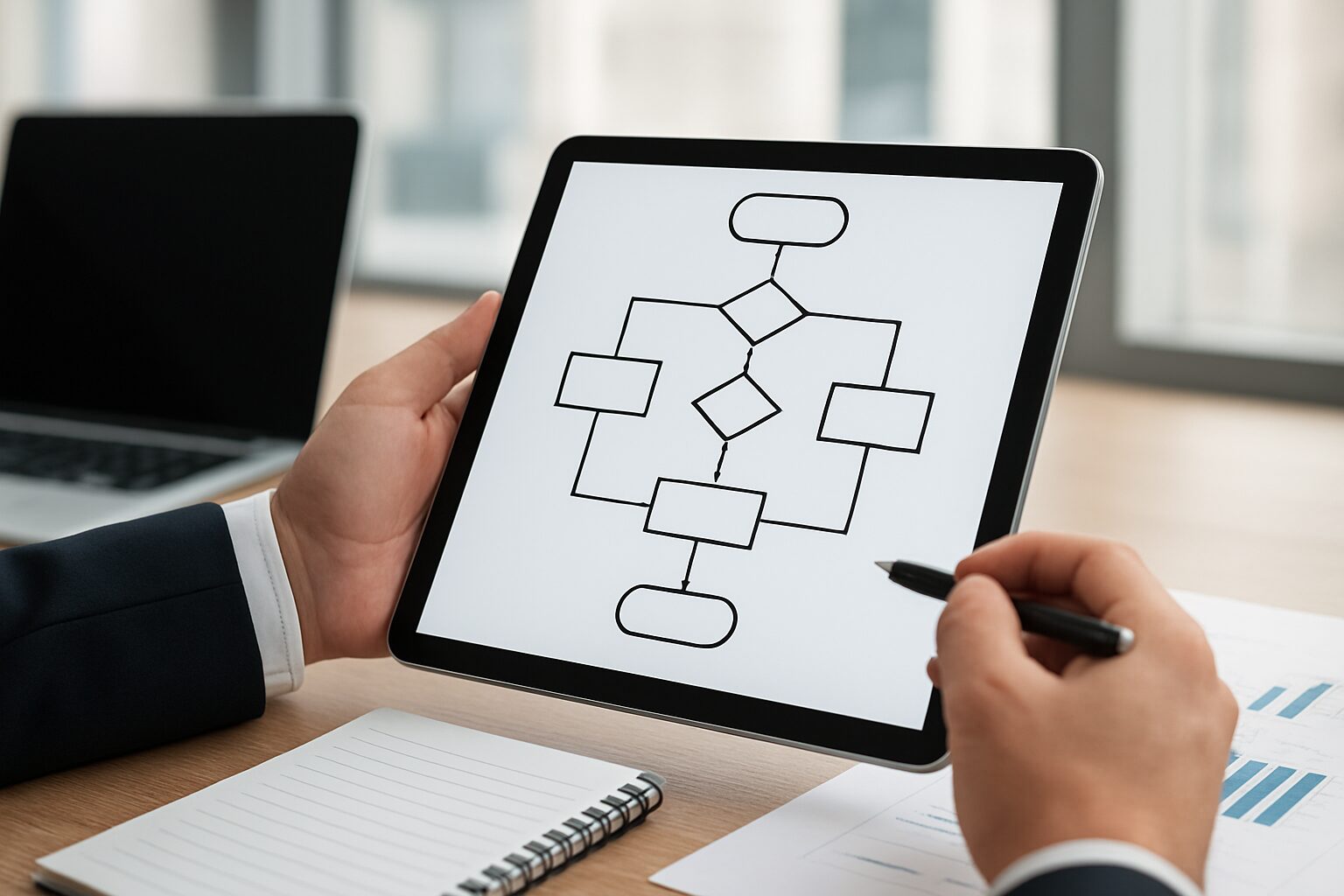
Efficient project management depends on clear planning, accessible tools, and workflows that keep every task moving smoothly. Printing is often one of the supporting activities behind marketing campaigns, business events, customer communications, and internal operations. Online Printing Services bring greater convenience to this part of project planning by allowing businesses to manage print requirements through a digital process. From selecting materials to preparing artwork and arranging production, an online approach can make print-related tasks easier to organize and integrate into larger projects.
What’s Covered
- Printing as Part of Modern Project Planning
- Digital Access Creates Greater Convenience
- Clear Specifications Improve Project Organization
- Templates Can Reduce Repetitive Work
- Coordinating Print With Campaign Deadlines
- Flexible Quantities Support Different Project Sizes
- Quality Helps Projects Maintain Professional Standards
- Print Materials Can Support Multiple Objectives
- Building Repeatable Print Processes
- Supporting Collaboration Across Teams
- Conclusion
Printing as Part of Modern Project Planning
A successful business project usually includes several interconnected tasks. Marketing teams may prepare promotional content, sales teams may organize presentations, and event teams may coordinate signage and informational materials.
Printed products can support each of these activities. However, printing becomes more efficient when it is considered during the early stages of project planning rather than treated as a last-minute requirement.
By identifying print needs alongside other project deliverables, businesses can establish suitable timelines, quantities, designs, and material requirements before production begins.
Digital Access Creates Greater Convenience
One of the key advantages of online printing is accessibility. Teams can manage print projects through a digital environment rather than relying entirely on physical visits or separate manual processes.
Artwork can be prepared, specifications can be reviewed, and orders can be organized from a workspace that is already part of the team’s daily routine.
This accessibility is useful for businesses with multiple departments or distributed employees. Different team members can participate in design approval and project preparation without being located in the same physical office.
Clear Specifications Improve Project Organization
Print projects involve several technical and creative decisions. These may include product dimensions, paper type, finish, quantity, color requirements, and artwork format.
Establishing these specifications early can help teams keep projects organized. When requirements are clearly documented, designers, marketers, and decision-makers have a shared understanding of the expected final product.
A standardized approach can also make future projects easier. Businesses can maintain preferred specifications for frequently used materials and adapt them when a campaign requires something different.
Templates Can Reduce Repetitive Work
Many businesses use similar printed materials repeatedly. Business cards, letterheads, brochures, flyers, presentation folders, and promotional cards may be ordered throughout the year.
Maintaining approved templates can make these recurring projects more efficient. Instead of starting every design from the beginning, teams can work from established brand layouts and update only the information relevant to the current project.
This approach can save preparation time while helping maintain a consistent visual identity.
Coordinating Print With Campaign Deadlines
Marketing campaigns often involve multiple deliverables that need to be ready at approximately the same time. Digital advertisements, social media content, email promotions, event materials, and printed assets may all contribute to one campaign.
Online printing can fit into this coordinated workflow by allowing print requirements to be prepared alongside digital campaign materials.
When print deadlines are included in the project schedule from the beginning, teams can create a more predictable production process and reduce unnecessary pressure near launch dates.
Flexible Quantities Support Different Project Sizes
Not every project requires the same volume of printed materials. A small internal meeting may require a limited quantity, while a public event may need a much larger supply.
Flexible print ordering allows businesses to align quantities with the scale of each project. This can help teams plan their resources more effectively while keeping printed materials relevant to the intended audience.
Businesses can also use previous project requirements as a reference when planning future orders, creating a more informed approach to print management.
Quality Helps Projects Maintain Professional Standards
A project can involve excellent planning and still depend on the quality of its final deliverables. Printed materials represent the business in physical environments, making production quality an important consideration.
Sharp text, clear imagery, accurate colors, and appropriate paper selection can contribute to a polished result.
Quality standards can also be incorporated into project checklists. By reviewing artwork and material choices before production, teams can ensure that the finished materials align with the broader expectations of the project.
Print Materials Can Support Multiple Objectives
A single print project may contribute to several business goals. A brochure can provide information while promoting a service, a business card can support networking while reinforcing brand identity, and event signage can improve visibility while guiding visitors.
Thinking about print materials as multifunctional project assets can help businesses get more value from their planning and design efforts.
This approach encourages teams to consider the role each printed item plays within the wider customer or employee experience.
Building Repeatable Print Processes
Businesses can improve efficiency by creating a repeatable workflow for common print projects. A typical process may involve planning requirements, preparing approved artwork, reviewing specifications, confirming quantities, and arranging production.
Once this process becomes familiar, teams can apply it across different projects with fewer unnecessary steps.
A repeatable system also makes it easier to identify where improvements can be made. Businesses can review previous projects and refine their approach to design preparation, quantity planning, and scheduling.
Supporting Collaboration Across Teams
Printing can involve several departments, including marketing, sales, design, administration, and operations. Online workflows can make communication between these groups more manageable.
For example, a marketing team can prepare campaign artwork, a design team can finalize the file, and an operations team can coordinate quantities and delivery requirements.
When responsibilities are clearly defined, print projects can move through each stage in an organized manner.
Conclusion
Effective project management is built around organization, communication, and efficient use of resources. Online printing supports these principles by giving businesses a convenient way to plan, customize, and manage printed materials within a digital workflow.
From recurring stationery to campaign-specific brochures and event materials, online printing can make print-related tasks easier to coordinate. With standardized templates, clear specifications, flexible quantities, and careful quality planning, businesses can create a smarter print workflow that supports projects from initial planning through final delivery.
Key Takeaways
- Efficient project management relies on clear planning, accessible tools, and smooth workflows to ensure all tasks progress effectively.
- Online Printing Services enhance project planning by enabling businesses to manage print needs digitally, from material selection to production arrangement.
- Establishing print specifications early in project planning allows teams to maintain organization and shared understanding across departments.
- Utilizing established templates for recurring print materials like business cards and brochures can significantly reduce preparation time and uphold brand consistency.
- Incorporating print requirements alongside other deliverables in campaign schedules fosters a more predictable production process and alleviates last-minute pressures.
- Creating a repeatable workflow for common print projects leads to increased efficiency and easier identification of areas for improvement.


