
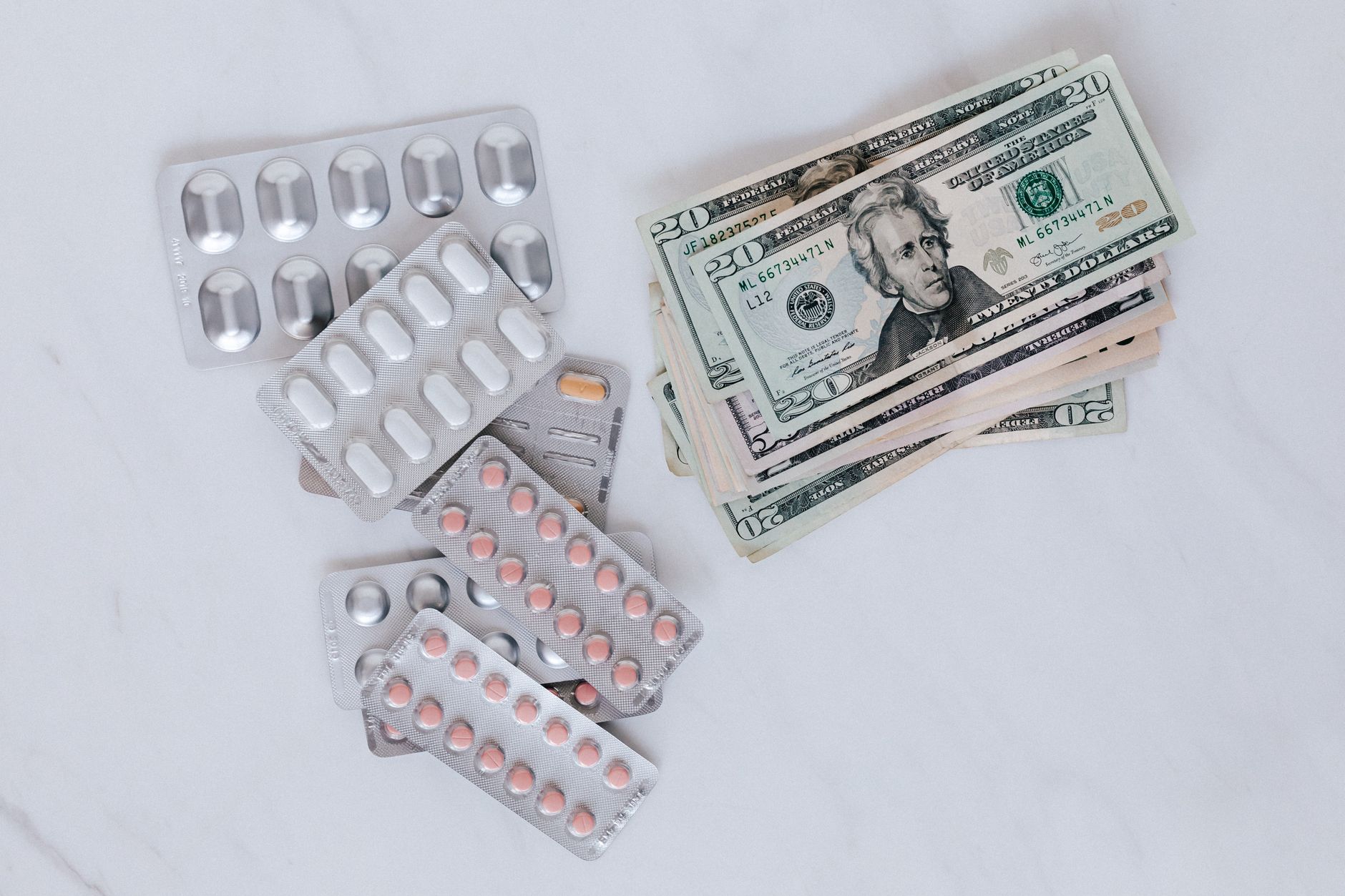
Egyptian medicine prices are projected to rise in January 2027, raising concerns among consumers and healthcare providers alike.
Overview of Egyptian medicine prices
In recent months, the landscape of Egyptian medicine prices has become a topic of concern among citizens and health professionals alike. As the country braces for potential economic shifts, the forecast for January 2027 indicates a significant increase in the cost of pharmaceuticals.
The government has been under pressure to address rising inflation and the devaluation of the Egyptian pound, which have had a direct impact on the pricing of medications. Experts predict that the worst rise in prices will occur as manufacturers adjust to new economic realities.
Several factors are contributing to this anticipated surge, including:
- Increased production costs due to higher raw material prices.
- Fluctuations in currency value affecting import costs.
- Changes in government policies regarding subsidies and pricing regulations.
As a result, many families are concerned about their ability to afford essential medications, leading to calls for urgent reforms to ensure access to affordable healthcare.
Factors influencing price changes
The anticipated rise in Egyptian medicine prices in January 2027 can be attributed to several key factors that are currently at play in the pharmaceutical sector.
- Inflation Rates: With the economy facing high inflation, the cost of production for pharmaceuticals is expected to increase, leading to higher retail prices.
- Currency Devaluation: A depreciating Egyptian pound against foreign currencies can significantly raise the cost of imported medications and raw materials.
- Regulatory Changes: New government regulations aimed at controlling drug pricing might inadvertently lead to price hikes as companies adjust to compliance costs.
- Supply Chain Disruptions: Ongoing global supply chain issues have affected the availability of key ingredients, pushing manufacturers to raise prices.
- Public Demand: An increasing demand for healthcare services post-pandemic may drive up prices as suppliers struggle to meet the needs of the population.
These factors combined suggest a challenging landscape for consumers as they prepare for the worst rise in medicine prices in the coming years.
Impact on consumers and healthcare
The anticipated rise in Egyptian medicine prices is set to have significant repercussions for consumers and the healthcare system. Many families are already feeling the strain as they struggle to afford essential medications. The upcoming price increase is expected to exacerbate this issue, leading to a potential healthcare crisis.
Consumers may face difficult choices as they prioritize which medications to purchase. This could result in:
- Increased health risks: Patients may skip doses or forgo necessary treatments altogether.
- Rising out-of-pocket expenses: Families with limited income may have to allocate a larger portion of their budget to healthcare costs.
- Impact on chronic conditions: Individuals with chronic illnesses could experience worsening health outcomes due to unaffordable medications.
In addition, healthcare providers may be forced to explore alternative solutions, such as:
- Generic medications: Promoting the use of more affordable options.
- Patient assistance programs: Offering support to those in need.
Overall, the rise in Egyptian medicine prices poses a significant challenge for both consumers and healthcare providers alike.
Government response to rising costs
In response to the alarming rise in Egyptian medicine prices, the government has initiated several measures aimed at alleviating the financial burden on citizens. Officials have acknowledged the challenges posed by escalating costs and have committed to improving the regulatory framework governing pharmaceutical pricing.
Among the key strategies being implemented are:
- Price Controls: The government plans to enforce stricter price controls on essential medicines to prevent excessive markups.
- Subsidies: Increased subsidies are being considered for low-income families to ensure access to vital medications.
- Public Awareness Campaigns: Initiatives to educate citizens about their rights regarding medication pricing and available assistance programs are underway.
Officials emphasize the importance of collaboration with pharmaceutical companies to ensure that any future increases are justified and transparent. As the worst rise in Egyptian medicine prices is expected in January 2027, these measures are seen as crucial steps toward maintaining public health and trust in the healthcare system.
Comparative analysis with other countries
The rising costs of Egyptian medicine prices have drawn attention when compared to other countries facing similar challenges. Analyzing the situation reveals distinct differences and similarities in how nations manage pharmaceutical pricing.
In countries like India and Mexico, government regulations often cap medicine prices, providing a safety net for consumers. This approach has been successful in keeping costs manageable, which contrasts sharply with Egypt’s current trajectory.
Meanwhile, European nations tend to employ a value-based pricing system, which links the price of medicines to their effectiveness. This method often results in higher initial costs but can lead to better long-term healthcare outcomes.
- India: Price controls in place, enabling affordability for many.
- Mexico: Similar regulatory frameworks help stabilize medicine prices.
- European nations: Value-based pricing linked to health outcomes.
As Egypt approaches January 2027, the comparative analysis highlights the urgent need for a strategic approach to mitigate the expected rise in Egyptian medicine prices, ensuring that healthcare remains accessible to all citizens.
Expert opinions on future trends
Experts are warning that the landscape of Egyptian medicine prices may face unprecedented challenges in the coming years. According to Dr. Ahmed Hassan, a prominent economist in healthcare, “The anticipated rise in medicine prices will likely place additional strain on both consumers and the healthcare system.”
Dr. Fatima El-Sayed, a public health analyst, emphasized the importance of understanding the underlying factors contributing to these price increases. “With inflation rates and exchange rate fluctuations, we can expect significant increases in January 2027,” she stated.
Furthermore, a recent survey conducted among healthcare professionals revealed mixed feelings about the government’s approach to controlling these costs. Some believe that without immediate interventions, the burden of soaring prices will disproportionately affect low-income families. Others argue that a well-structured subsidy program could mitigate the impact.
In summary, the future of Egyptian medicine prices remains uncertain, and experts urge both the government and consumers to brace for potential difficulties ahead.
Consumer advocacy and support
As the anticipated rise in Egyptian medicine prices looms, consumer advocacy groups are stepping up their efforts to support affected individuals. These organizations are dedicated to raising awareness about the potential financial burden that increased medication costs may impose on families and individuals across the nation.
The advocacy groups have outlined several key initiatives aimed at helping consumers navigate the upcoming changes:
- Information Campaigns: Disseminating information about expected price increases and available assistance programs.
- Negotiation with Pharmacies: Working to establish agreements with local pharmacies to ensure fair pricing and accessibility.
- Legal Support: Offering free legal advice for consumers facing challenges related to medication access and pricing disputes.
- Community Workshops: Hosting workshops to educate the public on managing healthcare costs and understanding their rights as consumers.
Through these efforts, consumer advocacy groups hope to mitigate the impact of rising medication prices and ensure that essential healthcare remains accessible to all Egyptians.
Conclusion and next steps
In conclusion, the situation surrounding Egyptian medicine prices presents a challenging landscape for consumers and healthcare providers alike. As the anticipated rise in prices approaches in January 2027, it is crucial for all stakeholders to remain informed and proactive. The discussions surrounding the factors influencing these price increases underscore the need for continued advocacy and dialogue between the government, pharmaceutical companies, and healthcare professionals.
Next steps should include a concerted effort to enhance transparency in pricing and improve accessibility to essential medications. Consumers are encouraged to stay engaged with advocacy groups that aim to protect their interests and ensure that healthcare remains affordable for all. Additionally, healthcare providers must adapt to this evolving environment by exploring alternative solutions and supporting patients in navigating these changes.
Ultimately, the future of Egyptian medicine prices will depend on collaborative efforts to address the root causes of rising costs. A unified approach is essential to safeguard public health and maintain trust in the healthcare system.
Photo by https://kaboompics.com/ on Pexels
Sources
Related stories
Medicine Price Transparency: The Right Path to Honest Costs · Pan-RAS Inhibitor Approval: A Proven Breakthrough for Cancer · Eli Lilly pharmaceutical plant: Is it the best investment?